Episode Transcript
[00:00:00] Speaker A: On June 17, KMUD News was contacted by representatives of the North Coast Water Board to have a face to face video chat discussion about new cleanup abatement and investigative orders for the property owner and contractors involved with the bentonite slurry spill into Redwood Creek and its tributaries.
We conducted that discussion with the Water Board late Wednesday afternoon.
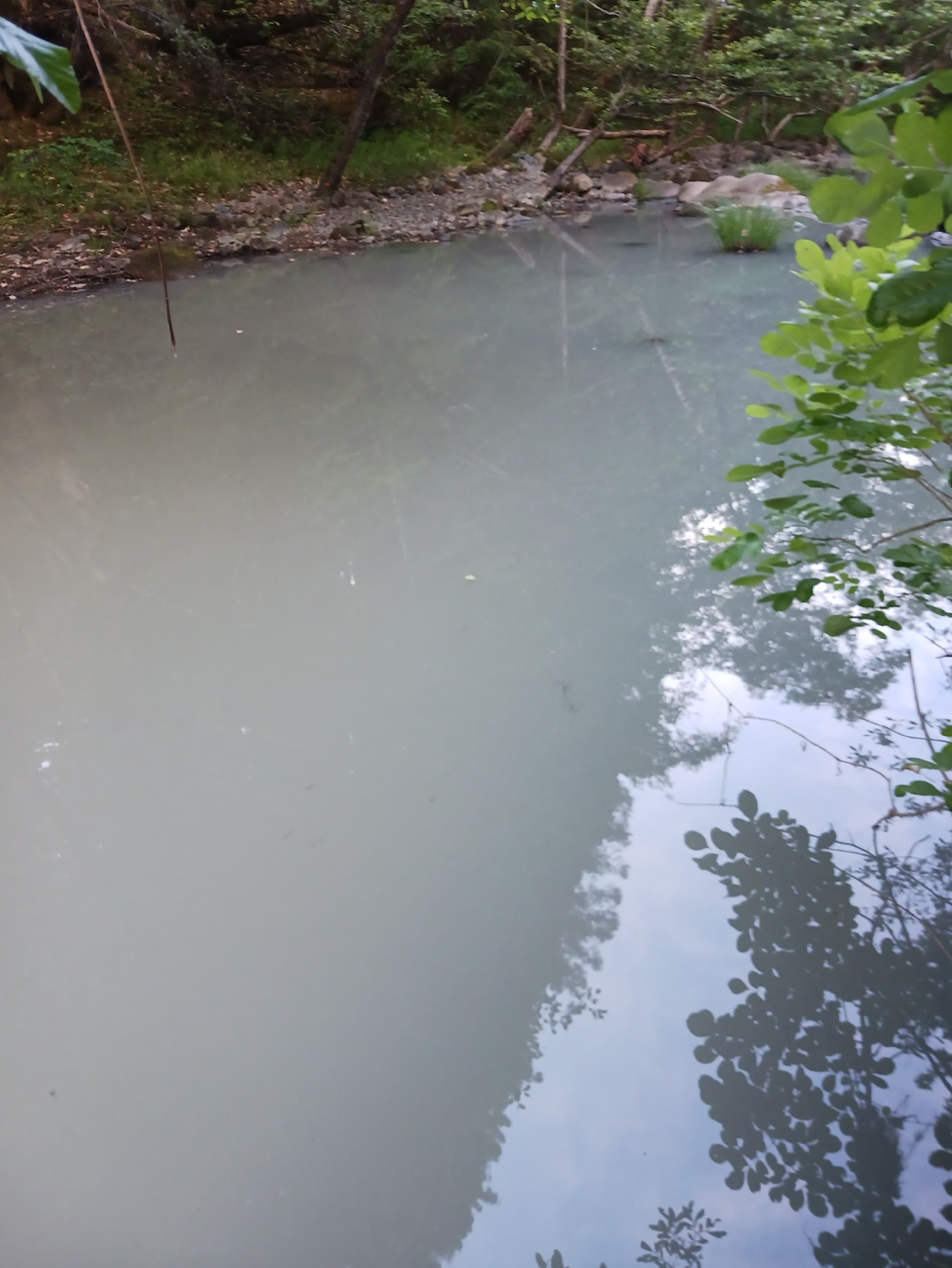
As previously reported, the Bend Night slurry was the result of drilling activities for a last mile fiber Internet project on Highway 101 that was then trucked to Michael Coelho's property on Bryceland Road which then made its way into the creek system.
These orders identified the individual who accepted the bentonite slurry onto his property as Michael Coelho of 4545 Brycelyn Rd. And Redway.
An additional order was issued for the contractors, including Arcadian Infracom, North Sky Communications and Direct Drilling of Oregon. That's a total of four parties listed as responsible for the Bend Knight slurry spill incident.
The order stayed clear instructions for submitting detailed cleanup and abatement plans on the Bryceland property and surrounding impacted creeks. That report is due on July 10, followed by weekly progress reports on cleanup efforts with a required completion date of July 29th.
It's a tight schedule and cleanup costs will likely hit six figures.
Representatives at KMUD News meeting with the North Coast Water Board included Supervising Water Resource Engineer Adona White, Public Information Officer Blair Robertson, and Senior Environmental Scientist and Enforcement Unit Supervisor Jeff Jeremiah Puget.
Jeremiah did most of the speaking during the meeting, including the audio we are sharing on this newscast.
We'll start Jeremiah Puget's remarks with his comments on the Brycelyn Road site being the only known spill at this time and also the Water Board's focus on mitigation and making sure there are no long term environmental impacts for Redwood Creek and its tributaries.
[00:02:12] Speaker B: To our knowledge right now we only have the one impacted stream and segment that we're focusing on and that is the focus of these cleanup orders. In addition to trying to get a broader understanding of what type of operations are taking place, who's in charge of those and requirements for mitigation impacts. And when I say mitigation, not just mitigation for the discharge, but as a compensatory offset to deal with impacts that have occurred and some post impact water
[00:02:44] Speaker A: quality monitoring, Jeremiah Puget of the North Coast Water Board also stated that if there are any additional bentonite slurry spill sites, that is a requirement of the Water Board's order to disclose all disposal sites and practices.
[00:03:02] Speaker B: They are required to disclose any and all other Disposal sites that have been used in all projects throughout the region. So you're right, there's a lot of projects that have gone on. We're aware of some other future projects and some that have happened in the past. So. So we are asking for a comprehensive description of all of their disposal practices, any receipts that they have, estimates both looking back and looking forward. And that's a very, we hope, a very clear component of our investigative order.
[00:03:35] Speaker A: The North Coast Water Board also gave more details on the composition of the bentonite slurry and the negative impact it can have on aquatic ecosystems.
[00:03:45] Speaker B: This bentonite slurry that has been discharged that we're referring to in the order as horizontal directional drilling waste, HDD waste, and this slurry that ran off is somewhat akin to mud or really, really, really fine, sticky sediment and what that does to the substrate of a stream.
There's a variety of unfortunate aquatic ecosystem impacts that it can have. When this thick mud, if you will, and find fine sediment gets entrained into the system. It can have negative impacts on the migration for fish. It can have negative impacts on their ability to feed, their ability to spawn, as well as it could bury fish eggs and smother them, preventing enough oxygen to get to them. But we don't have direct evidence of that because it's, as you could, as you could probably understand, when things get buried, it's hard to tell.
So we don't have direct evidence of a fish kill. But we know that this type of fine sediment is our expertise, right? We know that this type of fine mud and this kind of sediment like discharge has the potential to further exacerbate biostimulatory conditions, which is kind of a fancy term for exacerbating algal blooms because of the relationship with increasing temperature and starving the stream of oxygen. So it can further exacerbate biostimulatory conditions.
[00:05:25] Speaker A: Jeremiah Puget of the North Coast Water Board also shared information on the potential impact of bentonite slurry discharges on residential pump systems and drinking water quality.
[00:05:37] Speaker B: Part of the information that we're trying to share, and frankly, we think that the reporting on this has been helpful, is alerting people that if you're aware, if they're pulling from a stream that's that cloudy, it has the potential to foul their entire water system. I've been involved in other cases where I've seen that kind of thing happen.
Somebody was running their pump on a day and they thought, oh, it's a beautiful sunny day. The stream should be clear. I'm going to run my pump. Well, this has the ability to really affect all of their plumbing, their filters, their faucets. It could really upset a domestic water supply or even an agricultural water supply. And we protect all of the beneficial uses, from domestic industrial to agricultural water supply.
[00:06:18] Speaker A: Moving from potential impacts to findings of the North Coast Water Board's ongoing investigation, Jeremiah revealed that the water board, in coordination with the California department of Fish and Wildlife, found bentonite slurry deposits of up to 2ft in depth in a tributary of Redwood Creek.
[00:06:37] Speaker B: We've seen extensive deposition. We've seen that from our own eyes, and we've also communicated with the Department of Fish and Wildlife, who has gone out to take a few measurements, and in some locations, up to a couple of feet of bentonite slurry has been discharged.
[00:06:55] Speaker A: The North Coast Water Board also gave more information on the possible further spread of bentonite slurry material and why a quick cleanup process is wholly necessary before any future storms could push more material to other areas of the watershed.
[00:07:10] Speaker B: Through just our normal geologic and hydrologic processes, the river and creek will flush themselves out.
Our concern with that is that it's just going to continue to spread some of that material into places to where it shouldn't be. And so we do think that human intervention is necessary, and that is the impetus and reason behind us issuing those cleanup orders. We have found that this exacerbates a condition of pollution and new nuisance in the watershed.
[00:07:43] Speaker A: Senior environmental scientist and enforcement unit supervisor Jeremiah Puget of the North Coast Water Board also emphasized the extreme need for a professionally led and judicious cleanup process in order to not cause further damage to Redwood Creek and its tributaries.
[00:08:00] Speaker B: What we don't want happening is just somebody running out there on their own and deciding, oh, I'm just going to vacuum this out myself. We've got a vac truck. We're just going to go to town. Can we do that? And the answer to that is no.
We have to have professional, qualified, experienced professionals that'll be developing a plan and overseeing the implementation of that because it's reasonable to expect, and we've seen it before, where people get carried away with their cleanup actions and can cause more harm in the process. So that's what we're trying to avoid. We want this to happen as soon as possible. Why we've dedicated so much resources to it and are issuing that emergency order.
But from experience, we know that we have to be thoughtful around this or we can further exacerbate situations.
[00:08:52] Speaker A: Today, June 18, we followed up with Jeremiah Puget of the North Coast Water Board for additional clarifications after the public release of emergency cleanup and abatement orders. In Cayman News meeting with the Water Board yesterday, Jeremiah conveyed that thus far all four involved parties are cooperating with the required cleanup process and that neither Michael Coelho or the companies involved have indicated they will be petitioning against the orders, which they do have a legal right to do.
Fines for not following the orders would be up to $5,000 per day, and cases can even be referred to the California Attorney General's Office for enforcement.
We'll be following the cleanup of Redwood Creek and surrounding impacted watersheds closely. Our hope, as is the hope of our community, is is that this cleanup of bednight drilling material can be done on schedule and that it doesn't present further threats to wildlife in residential water systems.
Reporting for kmud, I'm April Lewis.